
The MSGH and GUT 2026 Green Report
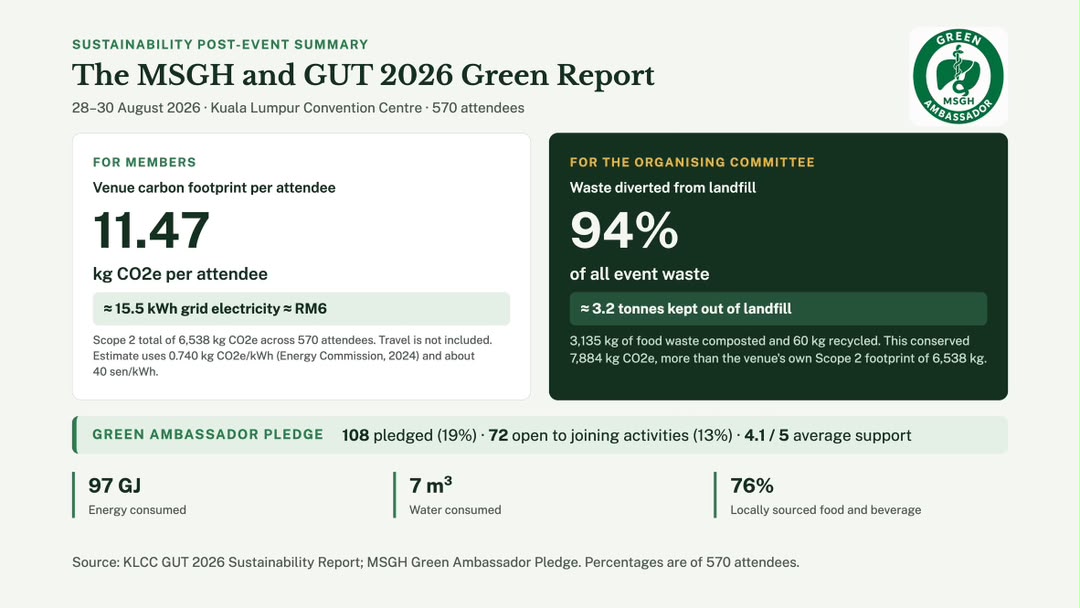

Scan the QR COde and pledge as our Ambassador
Sustainability in endoscopic medical congresses and courses: Position Statement from the European Society of Gastrointestinal Endoscopy and the European Society of Gastroenterology and Endoscopy Nurses and Associates
click here to access paper
WGO Climate Course for Global Gastroenterology
Course Topics and Recordings | WGO Climate Change Committee
WHO Overview on Climate change
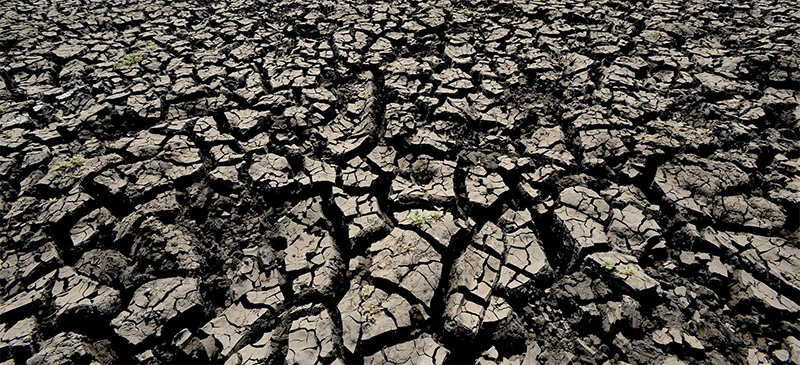
- Climate change is directly contributing to humanitarian emergencies from heatwaves, wildfires, floods, tropical storms and hurricanes and they are increasing in scale, frequency and intensity.
- Research shows that 3.6 billion people already live in areas highly susceptible to climate change. Between 2030 and 2050, climate change is expected to cause approximately 250 000 additional deaths per year, from undernutrition, malaria, diarrhoea and heat stress alone.
- The direct damage costs to health (excluding costs in health-determining sectors such as agriculture and water and sanitation) is estimated to be between US$ 2–4 billion per year by 2030.
- Areas with weak health infrastructure – mostly in developing countries – will be the least able to cope without assistance to prepare and respond.
- Reducing emissions of greenhouse gases through better transport, food and energy use choices can result in very large gains for health, particularly through reduced air pollution.
click here for full details

PubMed: Uniting the Global Gastroenterology Community to Meet the Challenge of Climate Change and Non-Recyclable Waste
click here to access paper

JDE: Green Endoscopy and Sustainable Practices: A Scoping Review
click here to access paper